Your garage door represents roughly 30% of your home’s front-facing exterior, making it one of the most visible features of your property. When you need a new garage door installation in Charlotte, working with qualified professionals means the difference between a door that operates flawlessly for decades and one that causes headaches from day one. We created this guide to walk you through what professional installation involves, help you understand your options, and show you why quality workmanship matters for this significant home investment.
What Makes Professional Garage Door Installation Different from DIY?
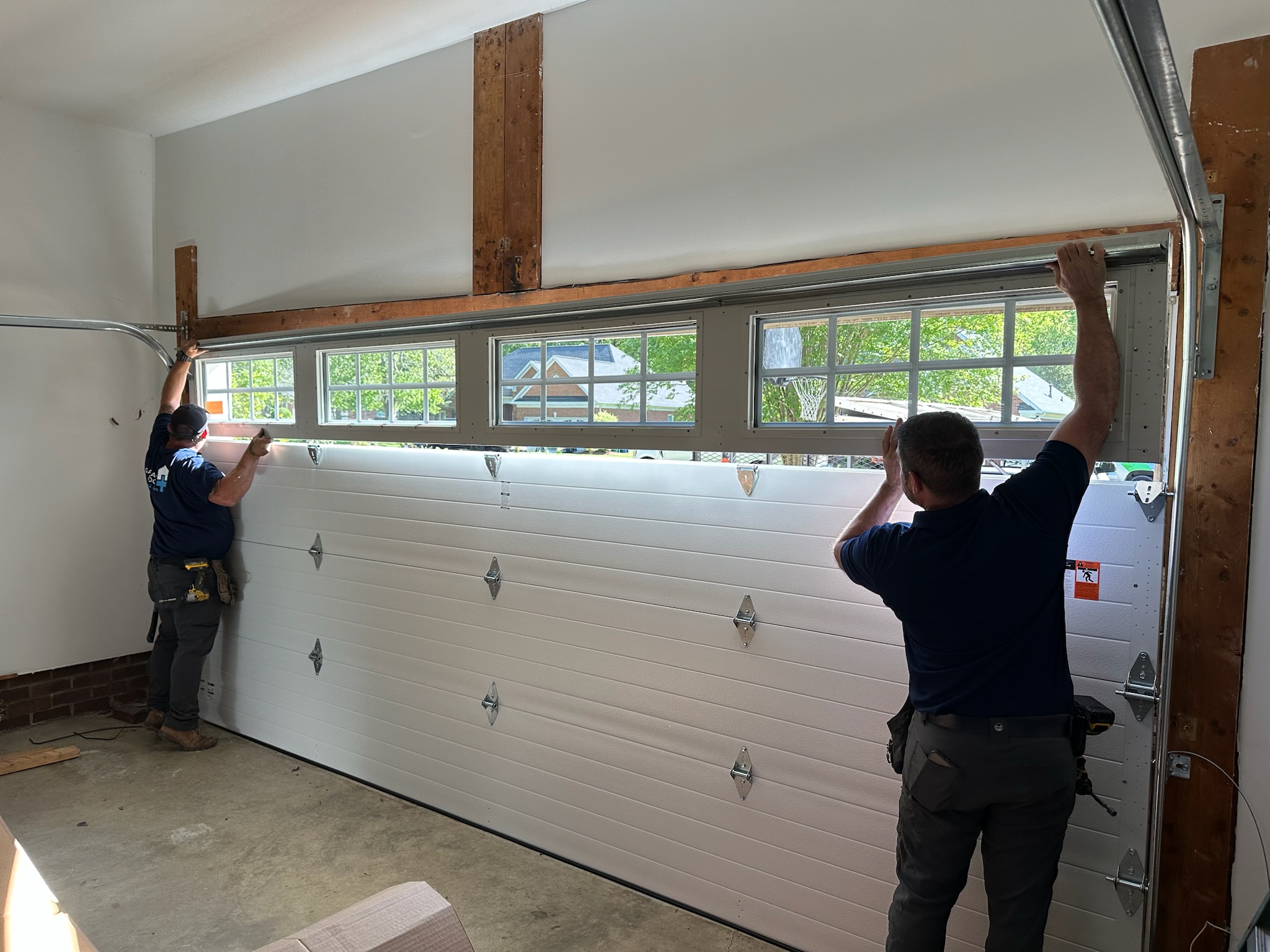
Professional garage door installation involves far more than simply attaching panels and connecting springs. A trained installer brings years of specialized knowledge, proper equipment, and safety protocols that protect both your property and family. While DIY videos make the process look straightforward, the reality involves complex mechanical systems, heavy components, and potentially dangerous tension mechanisms that require expert handling.
The average garage door weighs between 150 and 400 pounds depending on material and size. Professional installers use specialized lifting equipment and follow strict safety procedures when positioning these heavy panels. They also bring calibration tools that ensure your door balances correctly, which directly affects how long your springs and opener last.
“We’ve seen countless homeowners attempt DIY installations only to call us when something goes wrong. The cost of fixing improper installation often exceeds what professional service would have cost initially. More concerning are the safety risks from incorrectly tensioned springs or misaligned tracks.” – The Team at Garage Door and More
Key differences between professional and DIY installation:
- Safety Equipment: Professionals use winding bars, lifting equipment, and protective gear designed for garage door work.
- Warranty Protection: Most manufacturer warranties require professional installation to remain valid.
- Building Code Compliance: Licensed installers know local Charlotte codes and pull necessary permits.
- Proper Tools: Specialized tools for tensioning, aligning, and calibrating aren’t available at typical hardware stores.
- Insurance Coverage: Professional companies carry liability insurance that protects your property during installation.
Professional vs. DIY Installation Comparison
| Factor | Professional Installation | DIY Installation |
|---|---|---|
| Average Completion Time | 3 to 5 hours | 8 to 16 hours |
| Warranty Coverage | Full manufacturer warranty | Often voided |
| Safety Risk Level | Minimal with trained crews | High injury potential |
| Code Compliance | Guaranteed compliant | Uncertain without expertise |
| Long-term Performance | Optimized for longevity | Variable results |
How Long Does Garage Door Installation Take in Charlotte?
The timeline for your garage door installation depends on several factors, including whether you need old door removal, the type of door you select, and any structural modifications your opening requires. Most standard installations take between three and five hours when performed by an experienced crew. Situations involving complications may extend into a full day of work.
When we arrive at your Charlotte home, the process typically follows a structured sequence. First, we assess your opening and verify measurements match your new door specifications. Next comes the removal of your existing door if applicable, followed by inspection of the frame, tracks, and supporting structure. Only after confirming everything meets requirements do we begin positioning your new door.
Factors affecting installation timeline:
- Old Door Removal: Removing an existing door adds 30 minutes to two hours depending on its condition and how it was installed.
- Door Material: Heavier steel and wood doors require more time for safe positioning than aluminum models.
- Opener Integration: Installing a new garage door opener alongside your door adds one to two hours.
- Structural Modifications: Enlarging or reducing opening size requires carpentry work that extends the project significantly.
- Weather Conditions: Extreme temperatures or precipitation may affect certain installation steps.
Typical Installation Timeline Breakdown
| Installation Phase | Time Required |
|---|---|
| Site Assessment and Preparation | 15 to 30 minutes |
| Old Door Removal | 30 minutes to 2 hours |
| Track and Hardware Installation | 45 minutes to 1.5 hours |
| Panel Assembly and Mounting | 1 to 2 hours |
| Spring Tensioning and Balancing | 30 to 45 minutes |
| Opener Installation (if included) | 1 to 2 hours |
| Testing and Adjustments | 15 to 30 minutes |
Same day garage door installation service remains available for many standard configurations. When you contact us with your specifications, we can often provide installation within 24 hours for common door sizes and styles that we keep in stock. Custom orders naturally require additional lead time for manufacturing.
What Factors Determine Garage Door Installation Cost in Charlotte NC?
Understanding what influences your installation cost helps you budget accurately and compare quotes fairly. The total investment includes the door itself, hardware components, labor, and any additional services like disposal of your old door or electrical work for opener installation. Charlotte homeowners typically spend between $800 and $4,000 for a complete residential door installation, with the door material being the largest variable.
Material selection drives much of the price difference between installations. A basic single-layer steel door costs considerably less than an insulated wood composite model with decorative hardware. The size of your opening also matters significantly, with standard single-car doors costing less than double-wide or custom-sized openings.
“We always encourage homeowners to consider their garage’s purpose when selecting a door. If you use your garage as a workshop or living space, investing in better insulation pays dividends through energy savings and comfort. For a simple storage garage, a more economical option makes sense.” – The Team at Garage Door and More
Primary cost factors to consider:
- Door Material: Steel, aluminum, wood, fiberglass, and composite materials each carry different price points and longevity expectations.
- Insulation Level: Non-insulated, single-layer doors cost less than triple-layer insulated models but provide minimal thermal protection.
- Door Size: Single, double, and custom-width doors require proportionally more materials and labor.
- Style and Design: Basic raised panel doors cost less than carriage house styles or models with windows and decorative hardware.
- Spring Type: Torsion garage door spring systems cost more than extension springs but last longer and operate more quietly.
Charlotte Area Garage Door Installation Cost Ranges
| Door Type | Single Car (8×7 to 9×7) | Double Car (16×7 to 18×7) |
|---|---|---|
| Basic Steel (Non-Insulated) | $800 to $1,200 | $1,200 to $1,800 |
| Insulated Steel | $1,000 to $1,600 | $1,600 to $2,400 |
| Premium Steel with Windows | $1,400 to $2,200 | $2,200 to $3,200 |
| Wood Composite | $1,800 to $2,800 | $2,800 to $4,000 |
| Custom Carriage House | $2,500 to $4,000+ | $4,000 to $6,000+ |
Which Garage Door Material Works Best for Charlotte’s Climate?
Charlotte’s humid subtropical climate presents unique considerations for garage door selection. The region experiences hot, humid summers with temperatures regularly reaching the 90s, along with mild winters that occasionally dip below freezing. Selecting the right material means balancing durability against these conditions, aesthetic preferences, maintenance requirements, and budget constraints.
Steel remains the most popular choice among Charlotte homeowners for good reason. Modern steel doors resist the warping that humidity causes in wood, require minimal maintenance, and offer good insulation options. The steel construction also handles the occasional severe weather Charlotte experiences, from summer thunderstorms to rare winter ice events.
Material options and their Charlotte-specific performance:
- Steel: Excellent humidity resistance, available in multiple insulation levels, low maintenance needs, and long lifespan of 20 to 30 years with proper care.
- Aluminum: Lightweight and rust-resistant, works well in coastal areas, but dents more easily and provides less insulation than steel.
- Wood: Beautiful natural appearance that suits traditional Charlotte homes, but requires regular sealing and maintenance to prevent moisture damage.
- Fiberglass: Resists denting and works well in humid environments, though prolonged UV exposure can cause yellowing over time.
- Vinyl: Extremely durable and maintenance-free, resists dents and won’t rust, ideal for families with active children.
Material Performance in Charlotte Conditions
| Material | Humidity Resistance | Heat Tolerance | Maintenance Level | Typical Lifespan |
|---|---|---|---|---|
| Steel | Excellent | Excellent | Low | 20 to 30 years |
| Aluminum | Excellent | Good | Very Low | 15 to 25 years |
| Wood | Fair | Good | High | 15 to 25 years |
| Fiberglass | Excellent | Fair | Low | 15 to 20 years |
| Vinyl | Excellent | Good | Very Low | 20 to 25 years |
Insulation deserves special attention for Charlotte installations. While winters remain relatively mild, summer heat creates significant temperature differences between your garage and the outdoors. An insulated door keeps your garage cooler during July and August, which reduces strain on any HVAC systems connected to the space and protects vehicles and stored items from heat damage.
What Should You Expect During the Installation Process?
Understanding what happens during your installation helps you prepare your property and set realistic expectations for the day. Our process begins well before our crew arrives, with careful planning and coordination to make sure everything proceeds smoothly. Here we walk you through each phase so you know exactly what to anticipate.
Before installation day, we schedule a pre-installation consultation either in person or via detailed photos and measurements you provide. This allows us to verify specifications, discuss any concerns about your existing structure, and confirm that your selected door will fit and function properly. We also coordinate delivery timing to minimize how long materials sit at your property.
“Preparation makes all the difference in installation quality. We spend significant time before arriving at your home reviewing specifications and planning the installation sequence. This preparation means fewer surprises and faster completion once we begin work.” – The Team at Garage Door and More
Installation day preparation checklist:
- Clear the Garage: Move vehicles and stored items at least four feet away from the door opening to give our crew working room.
- Secure Pets: Keep dogs and cats away from the work area where heavy equipment and sharp materials pose risks.
- Verify Power Access: Confirm that electrical outlets near the garage are functional for our power tools.
- Note Existing Issues: Point out any concerns about your current door or opening so we can address them during installation.
- Arrange Parking: Our service vehicles need access close to your garage, so plan parking accordingly.
During installation, our technicians follow a methodical approach that prioritizes safety and precision. After protecting your garage floor and surrounding areas, we begin with the old door removal if applicable. Each component gets inspected as we remove it, allowing us to identify any hidden damage to your opening or supporting structure. This inspection occasionally reveals issues like rotted framing or inadequate headers that require attention before proceeding.
The new door installation starts from the bottom panel and works upward. Each section gets carefully leveled and secured before adding the next. Once all panels are in place, we install the track system, then the springs and cables. The final steps involve connecting your opener, programming remotes, and performing multiple operation tests to verify everything works correctly.
How Do You Choose the Best Garage Door Installation Company in Charlotte?
Selecting the right installer matters as much as choosing the right door. A poorly installed quality door will underperform, while a basic door installed with precision and care can serve you well for decades. Several key factors separate reputable companies from those that cut corners or lack proper qualifications.
Licensing and insurance represent non-negotiable requirements for any contractor working on your home. In North Carolina, garage door installers should carry general liability insurance and workers’ compensation coverage. This protects you from financial responsibility if someone gets injured on your property or if installation work damages your home. Always request proof of insurance before allowing work to begin.
Qualities that indicate a reputable installer:
- Local Reputation: Companies with strong roots in the Charlotte community stake their reputation on every job and depend on referrals for business growth.
- Written Estimates: Professional companies provide detailed written quotes that itemize parts, labor, and any additional charges.
- Manufacturer Certifications: Authorized dealer status with major brands indicates proper training and access to genuine parts.
- Warranty Offerings: Quality installers stand behind their work with labor warranties in addition to manufacturer product warranties.
- Clear Communication: Responsive companies that answer questions thoroughly demonstrate the customer service you can expect throughout your project.
Red Flags When Evaluating Installation Companies
| Warning Sign | Why It Matters |
|---|---|
| Cash-only payment demands | Legitimate businesses accept multiple payment forms and provide receipts |
| No physical business address | Companies without local presence may disappear if problems arise |
| Pressure for immediate decisions | Quality work doesn’t require high-pressure sales tactics |
| Significantly below-market quotes | Extremely low prices often indicate cut corners or hidden fees |
| No references available | Established companies should have satisfied customers willing to vouch for them |
| Reluctance to provide written contracts | Verbal agreements leave you without recourse if disputes arise |
Why Does Proper Spring Selection and Installation Matter?
Your garage door springs bear the weight of your door and control its movement throughout thousands of cycles. Proper spring selection and installation directly determine how safely your door operates, how long components last, and how smoothly the door opens and closes. This critical element deserves careful attention during any installation.
Two main spring types exist for residential garage doors: torsion and extension. Torsion springs mount above the door opening on a metal shaft and twist to store energy. Extension springs run along the horizontal tracks and stretch to provide lifting force. Each type has applications where it performs best, though torsion springs have become the preferred choice for most modern installations.
Spring type characteristics:
- Torsion Springs: Mounted horizontally above the door, provide smoother operation, last longer (typically 15,000 to 20,000 cycles), and fail more safely.
- Extension Springs: Mounted on both sides of the door, cost less initially, but wear faster and pose greater risk if they break without containment cables.
- High-Cycle Springs: Premium torsion springs rated for 25,000 to 100,000 cycles, ideal for homes with frequent garage door use.
- Double-Spring Systems: Using two springs instead of one distributes load and provides backup if one spring fails.
Proper spring sizing requires precise calculations based on your door’s weight, height, and track configuration. A spring that’s too weak struggles to lift the door and wears out quickly. A spring that’s too strong makes the door difficult to control and stresses your opener motor. Professional installers measure and calculate these specifications rather than guessing or using one-size-fits-all components.
“Springs are where we see the most problems in installations done by unqualified workers. Incorrect spring tension creates doors that won’t stay open, slam closed unexpectedly, or put excessive strain on openers. Getting this calculation right requires experience and the right tools.” – The Team at Garage Door and More
Spring Life Cycle Comparison
| Spring Type | Rated Cycles | Approximate Years (4 cycles/day) |
|---|---|---|
| Standard Extension | 5,000 to 10,000 | 3 to 7 years |
| Standard Torsion | 10,000 to 15,000 | 7 to 10 years |
| High-Cycle Torsion | 25,000 to 50,000 | 17 to 34 years |
| Commercial-Grade Torsion | 50,000 to 100,000 | 34 to 68 years |
What Maintenance Keeps Your New Door Operating Smoothly?
A properly installed garage door requires regular maintenance to deliver its full expected lifespan. While professional installation sets the foundation for reliable operation, ongoing care prevents premature wear and identifies small problems before they become expensive repairs. We recommend establishing a simple maintenance routine that takes just minutes each month.
Visual inspection forms the cornerstone of effective maintenance. Each month, take a few moments to watch your door operate through a complete open and close cycle. Listen for unusual sounds like grinding, scraping, or clicking that might indicate developing issues. Look for jerky movement, uneven operation, or the door drifting off-center in its tracks. Catching these symptoms early allows for minor adjustments instead of major repairs.
Monthly maintenance tasks you can perform:
- Visual Inspection: Watch the door operate and note any changes in movement or sound since your last observation.
- Balance Test: Disconnect the opener and manually lift the door halfway; a balanced door stays in place while an unbalanced one drifts up or down.
- Hardware Check: Look for loose bolts, brackets, or hinges that may have vibrated free during operation.
- Weather Seal Inspection: Check the bottom seal and side seals for cracks, gaps, or damage that allows air and pests inside.
- Track Cleaning: Wipe debris from tracks and check that garage door roller wheels move freely.
Recommended Maintenance Schedule
| Task | Frequency | DIY or Professional |
|---|---|---|
| Visual and Sound Inspection | Monthly | DIY |
| Balance Testing | Quarterly | DIY |
| Lubrication of Moving Parts | Every 6 months | DIY |
| Hardware Tightening | Every 6 months | DIY |
| Spring Inspection and Adjustment | Annually | Professional |
| Complete System Tune-Up | Annually | Professional |
| Garage Door Cable Inspection | Annually | Professional |
Lubrication keeps moving components operating quietly and reduces friction that causes wear. Use a silicone-based lubricant or garage door specific product on hinges, rollers, and springs every six months. Avoid using WD-40 or similar penetrating oils, which can actually attract dust and grime that accelerate wear. Apply lubricant sparingly and wipe away any excess to prevent drips on your garage floor.
Frequently Asked Questions
Can I install a new garage door on an old frame?
Yes, most new doors install on existing frames when the frame remains structurally sound and correctly sized for your new door. Our technicians inspect the frame, header, and surrounding structure during installation to verify integrity. Frames with rot, pest damage, or significant warping may need repair or replacement before proceeding.
Does garage door installation require permits in Charlotte?
Charlotte typically requires permits for garage door installations that involve structural modifications, electrical work for new openers, or changes to opening size. Standard replacement installations using existing openings and electrical connections usually proceed without permits. We handle permit applications when required and include this service in our installation packages.
What happens to my old garage door after removal?
Our installation service includes responsible disposal of your old door. We break down components for recycling when possible, with steel panels going to metal recyclers and other materials disposed of properly. If your old door remains functional, we can discuss donation options to local habitat restoration programs.
How soon after installation can I use my new garage door?
You can use your new door immediately after our technicians complete installation and testing. We verify proper operation, program your remotes, and demonstrate the door’s features before leaving. The only exception involves fresh paint or sealant applications, which may require curing time before the door operates.
Will a new garage door improve my home’s energy efficiency?
Insulated garage doors significantly reduce heat transfer between your garage and the outdoors. Charlotte homeowners with attached garages often notice lower energy bills after upgrading to insulated doors, especially if the previous door lacked insulation. The R-value rating indicates insulation effectiveness, with higher values providing better thermal protection.
What warranty coverage comes with professional installation?
Professional installation typically includes both manufacturer warranties on components and installer warranties on labor. Manufacturer warranties cover defects in materials and workmanship, while our labor warranty covers installation quality. We provide written documentation of all warranty terms and registration information at project completion.
Trust the Charlotte Garage Door Experts
Choosing professional garage door installation protects your investment and provides peace of mind that your new door will operate safely for years to come. The Garage Door and More technicians bring the training, tools, and experience needed to handle installations of any complexity. We work with all major garage door brands and can help you select the right door for your home’s style, your budget, and Charlotte’s specific climate conditions.
Contact Garage Door and More today if you need help with garage door services. Our team provides free estimates, same day service availability, and stands behind every installation with comprehensive warranty coverage.