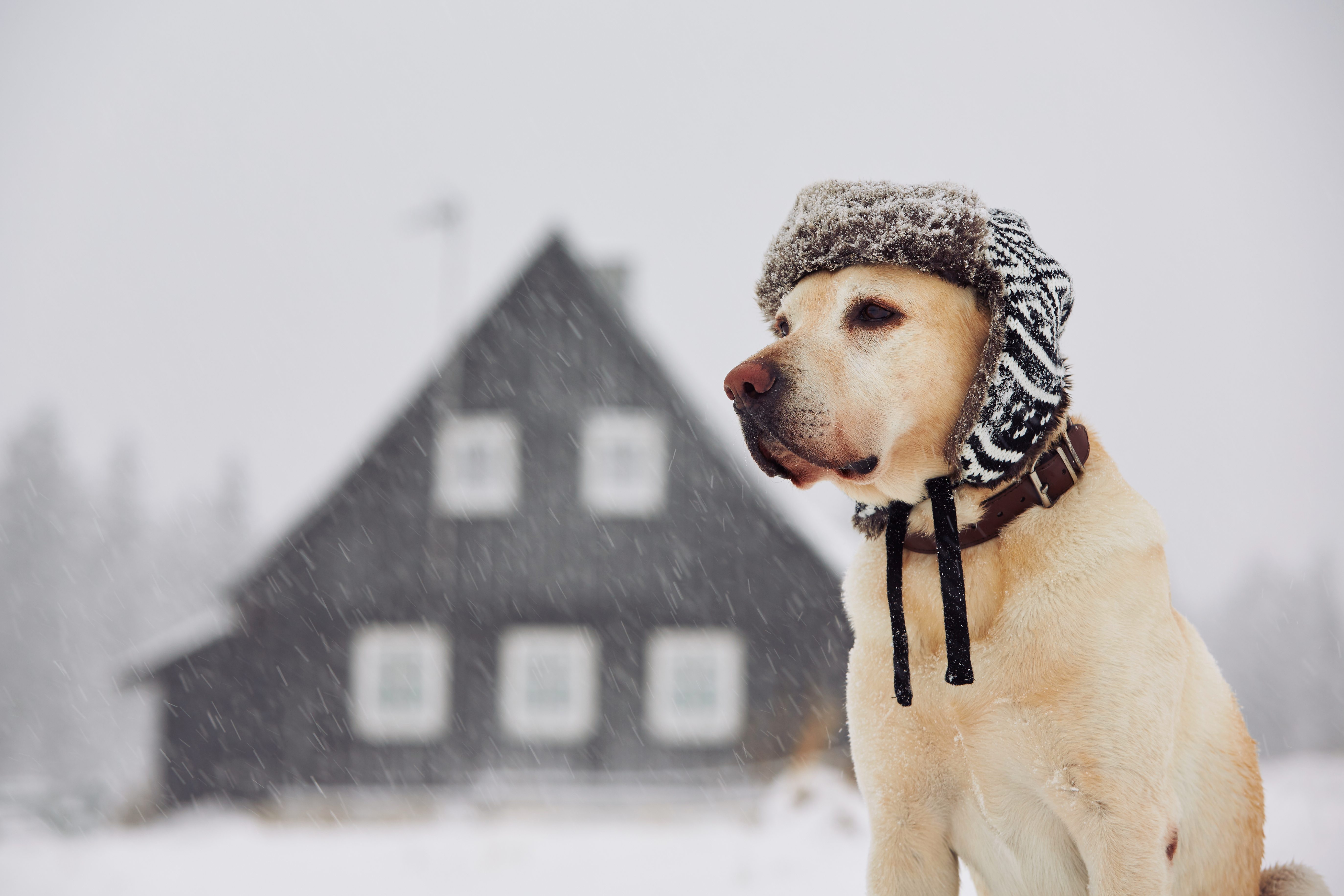
We at Garage Door and More know that preparing your garage for the winter months goes beyond just clearing away clutter. A properly winterized garage protects stored items, vehicles, and equipment from freezing temperatures, moisture damage, and energy loss. In our Charlotte climate, winter nights can dip below freezing, while daytime highs may still hover near 50°F, creating cycles of condensation that lead to rust, mold, and wood rot. An unprepared garage not only jeopardizes your possessions but also places extra strain on your HVAC system if the garage is attached to your home. By investing time in thorough winterization, you avoid costly repairs, preserve equipment functionality, and maintain comfortable adjacent living spaces.
Winter preparations begin with a comprehensive assessment of your garage door, walls, floor, and stored belongings. We recommend a multi-step approach that addresses structural integrity, weather seals, insulation, and proper storage methods. The key is preventing cold air and moisture from entering, while ensuring that essential systems like lighting and door openers remain reliable. This proactive strategy enhances safety – icy floors and malfunctioning openers pose slip and power-failure risks during darker, colder months.
Inspecting and Servicing Your Garage Door for Cold Weather Performance
Your garage door represents the primary interface between the interior garage space and the outside world, making its proper function essential during winter. We begin winter preparations by conducting a thorough visual and mechanical inspection of the door, focusing on components most vulnerable to cold-induced failure.
Panel Condition: Check for cracks, warping, and corrosion. Cold temperatures can exacerbate existing damage, so even minor imperfections should be addressed. Perform a balance test by disconnecting the opener and lifting the door halfway. A properly balanced door remains in place; if it drifts down, springs may need adjustment or replacement to prevent undue opener strain in freezing conditions.
Weather Seals: Inspect bottom, side, and top seals for brittleness, tears, or compression set. Rubber and vinyl seals lose elasticity over time, especially when exposed to temperature extremes. Replace worn seals with winter-rated materials designed to remain flexible in subfreezing temperatures.
Track and Roller Lubrication: Clean tracks thoroughly to remove debris, then apply a silicone-based lubricant to rollers, hinges, and springs. Avoid lubricating tracks themselves to prevent dust accumulation. Proper lubrication ensures smooth operation and prevents rollers from seizing when temperatures drop.
“Our technicians often uncover small door imbalances during winter prep inspections that would have led to opener burnout. A balanced, well-lubricated door swivels effortlessly even in freezing air, preventing emergency repair calls on cold mornings,” says our Lead Technician.
If you encounter broken springs or cables, avoid DIY fixes due to high-tension hazards. Instead, schedule professional spring service with Garage Door and More to ensure safe, reliable winter operation.
Enhancing Insulation and Sealing Air Leaks
Proper insulation and air sealing transform your garage from a cold storage area into a more temperature-stable environment, reducing energy loss to adjacent living spaces and protecting stored items from extreme cold.
Wall and Ceiling Insulation: Evaluate existing insulation levels in walls and ceilings. Installing R-13 to R-19 fiberglass batts or rigid foam panels behind drywall significantly reduces heat transfer. For unfinished garages, adding insulated panels directly to framing cavities delivers immediate benefits.
Weatherstripping Doors and Windows: Beyond the garage door, inspect pedestrian doors and any windows for air infiltration. Apply self-adhesive foam tape around door perimeters and install door sweeps to block drafts. Replace cracked window caulking and add low-E plastic window film to reduce heat loss through glass.
Seal Utility Penetrations: Identify gaps around electrical conduits, plumbing lines, and HVAC vents. Use fire-resistant expanding foam or caulk to fill small gaps up to ½ inch. Larger openings require backer rod and commercial-grade sealant to ensure complete sealing without moisture entrapment.
These measures not only stabilize interior temperatures but also prevent moisture-laden air from entering and condensing inside walls or on cold surfaces, which can lead to mold growth. By insulating and sealing comprehensively, you create a barrier against Charlotte’s winter humidity cycles.
For professional-grade insulation installation or complex sealing tasks, we recommend our insulation upgrade services. Our team ensures correct installation techniques, optimal material selection, and compliance with building code standards.
Protecting the Garage Floor From Moisture and Freezing
Garage floors take the brunt of winter moisture, snowmelt, and deicing chemicals, leading to cracking and surface degradation if left unprotected. We advise several strategies to keep your concrete floor in top condition.
Concrete Sealant Application: Apply a concrete floor sealer rated for driveways to fill surface pores and prevent water penetration. Choose a breathable sealer that allows moisture vapor to escape while blocking liquid water and chloride salts.
Anti-Freeze Mats and Coatings: Install modular garage floor mats or surface coatings with integrated anti-skid properties to maintain traction during wet conditions. Epoxy floor coatings resist oil and chemical spills while enhancing durability and making cleaning easier.
Drainage and Slope Checks: Ensure the garage floor slopes slightly toward the door or a central drain to prevent water pooling. Clear debris from floor drains and repair uneven sections that trap water. In extreme cases, installing a trench drain under the main door provides robust flood mitigation.
Regular floor maintenance prevents freeze-thaw cycles from expanding cracks. We provide professional floor leveling and sealant services, ensuring long-lasting protection against winter’s damaging effects.
Securing Stored Items and Vehicles Against Cold Damage
Winter’s cold can damage stored tools, equipment, chemicals, and vehicles if not properly protected. We suggest organizing and preparing storage areas to mitigate these risks.
Elevate Storage: Place items on shelves at least 6 inches above the floor to avoid water damage from snowmelt or puddles. Use sturdy metal shelving to withstand temperature fluctuations without warping.
Vehicle Preparedness: Install a quality battery maintainer to prevent cold-induced battery failure. Use silicone-based HVAC vent covers or garage door insulation kits to maintain higher ambient temperatures around vehicles. Consider installing a programmable garage space heater with built-in safety shutoff for enclosed garages without HVAC connections.
Chemical Storage: Move temperature-sensitive products like antifreeze, lubricants, and adhesives to insulated cabinets. Extreme cold can alter chemical viscosity and performance, rendering them ineffective when you need them most.
“We’ve found that a minor investment in shelving and a battery maintainer can save hundreds in jump-start charges and tool replacements. Properly elevating and insulating stored items keeps them functioning reliably, even on our coldest Charlotte nights,” explains our Service Manager.
Contact Garage Door and More for custom storage solutions and vehicle preparedness consultations tailored to your garage layout.
Maintaining Garage Door Openers and Electrical Systems
Electric openers and control systems can malfunction when exposed to freezing temperatures and moisture. We recommend winterizing these components to ensure reliable operation.
Control Panel Protection: Install insulated covers over wall-mounted controls and keypad housings to shield them from drafts entering around door seams. This prevents moisture condensation inside electronics.
Opener Housing Seals: Check the opener motor’s housing for dust and water seals. Clean vent openings and apply silicone grease to rubber gaskets, preventing moisture intrusion that can cause electrical shorts.
Backup Battery Systems: For garages prone to power outages during winter storms, install or test integrated battery backup systems that keep the opener functioning. This feature ensures you’re never stranded when temperatures are lowest.
Professional opener maintenance includes verifying force settings, lubrication of internal gears per manufacturer guidelines, and inspecting wiring connections. Our licensed electricians handle any necessary repairs or upgrades to maintain safe, uninterrupted operation.
Implementing Emergency Preparedness Measures
Winter storms can cause power failures and ice loads that compromise garage access. We advise the following emergency measures:
Manual Release Training: Ensure family members know how to operate the emergency release cord safely, only when the door is fully closed and no one is standing below the door. Practice this procedure quarterly.
Alternative Lighting: Install battery-powered LED lights or backup floodlights that activate when AC power fails. This provides visibility for manual operations during outages.
Communication Plan: Keep a cordless phone or charged mobile device in the garage to call for help if the door becomes stuck or a frozen lock prevents entry.
“We emphasize emergency procedures during winter prep visits because the combination of darkness, cold, and power loss can create dangerous situations. Knowing how to release the door and having portable lighting ready prevents panic and ensures your family’s safety,” says our Safety Coordinator.
Our emergency preparedness consultations cover manual release, lighting solutions, and communication strategies customized for your garage configuration.
Regular Maintenance Scheduling and Professional Services
Consistent maintenance is the backbone of effective winter preparation. We recommend quarterly homeowner inspections combined with annual professional tune-ups. Key maintenance intervals include:
- Spring Check: Post-winter seal and insulation inspection, spring cleaning, and opener service.
- Summer Inspection: Seal UV damage assessment and cooling- cycle lubrication.
- Fall Preparation: Pre-winter seal replacement, floor sealant touch-up, and electrical checks.
- Winter Midpoint: Emergency drill, battery maintainer verification, and seal reassessment.
Garage Door and More’s maintenance plans bundle quarterly inspections, professional lubrication, spring adjustments, and safety system tests at discounted rates. Our certified technicians document all services and provide digital maintenance logs for homeowner reference.
Conclusion: Ensuring a Safe, Dry, and Energy-Efficient Winter Garage
Properly preparing your garage for winter protects your belongings, prevents moisture and cold damage, and maintains your home’s energy efficiency. We at Garage Door and More specialize in comprehensive winterization services tailored to Charlotte’s unique climate challenges. From door inspection and weather sealing to insulation upgrades, floor protection, and emergency readiness, our team delivers expert solutions that keep your garage safe and functional all season long.
Contact Garage Door and More today to schedule your winter prep service and enjoy peace of mind knowing your garage – and your family – are fully protected against the cold months ahead.