
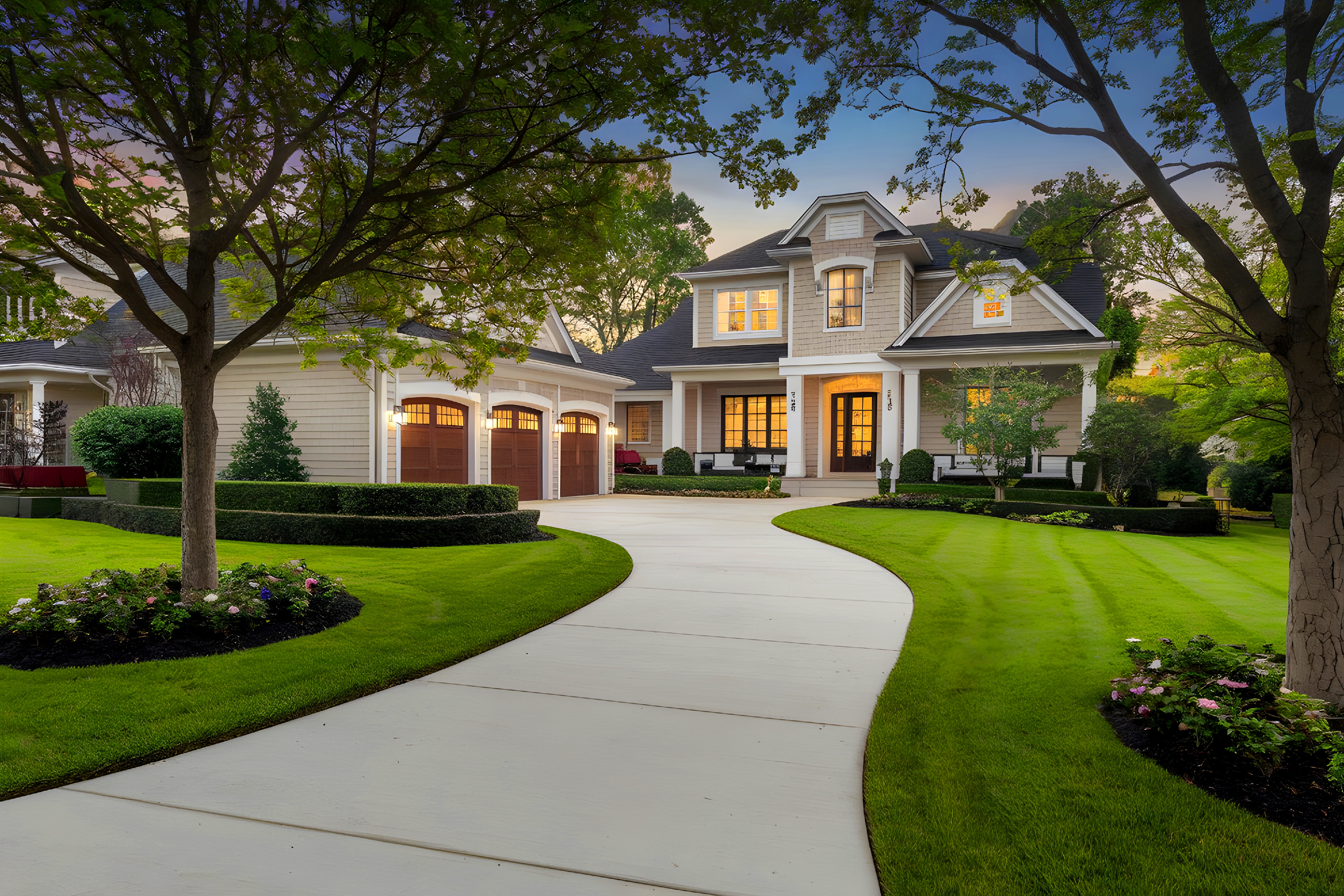
Charlotte homeowners with multi-car garages face unique challenges when managing multiple door types and opener systems. Whether you have a two-car, three-car, or larger garage setup, coordinating different openers, preventing signal interference, and maintaining safe operation requires careful planning and the right technical knowledge. This guide addresses the common pain points Charlotte residents encounter and provides practical solutions for seamless multi-door operation.
Understanding the Complexity of Multi-Door Garage Systems
Managing multiple garage door openers in a single space creates layers of complexity that single-door systems never encounter. Charlotte homeowners often discover these challenges after installation when doors begin responding to the wrong remotes, systems interfere with each other, or one opener mysteriously triggers another door across the garage. These issues stem from the fundamental way garage door openers communicate through radio frequencies, typically operating between 300 MHz and 390 MHz. When multiple systems share the same space without proper coordination, the signals can overlap, causing unpredictable behavior that ranges from annoying to potentially dangerous.
The situation becomes more complicated when homeowners inherit existing systems or attempt to add new doors to garages originally designed for fewer vehicles. Modern rolling code technology has improved security compared to older DIP switch systems, but this advancement brings its own coordination challenges. Each opener must maintain a unique code sequence that does not conflict with neighboring units. Charlotte’s growing housing density means your garage systems may also interact with your neighbor’s equipment, particularly in townhomes, condos, or homes with shared driveways where garage doors sit in close proximity.
Beyond the technical aspects, Charlotte’s humid subtropical climate adds another layer of considerations. Temperature fluctuations between seasons cause metal components to expand and contract, humidity accelerates corrosion on electronic components, and the combination creates maintenance demands that multiply across multiple door systems. We see many Charlotte homeowners struggle with these compounding factors, particularly when they lack a comprehensive understanding of how their multi-door systems should work together. Proper system design from the beginning prevents most issues, but understanding the challenges helps you troubleshoot problems when they arise.
Synchronizing Multiple Openers Without Creating Conflicts
Programming multiple garage door openers to work harmoniously requires a methodical approach that prevents code conflicts and ensures each door responds only to its designated controls. Modern garage door openers use rolling code technology, which generates a new code with each use to prevent unauthorized access. However, when programming multiple doors in sequence, there exists a rare but documented possibility that two openers could generate identical codes. This security vulnerability, though uncommon, presents a legitimate concern for multi-door installations where independent operation is critical for both convenience and safety.
The most reliable synchronization method involves programming each opener and remote combination separately while temporarily disconnecting power to the other units. Start by clearing all existing codes from every opener by locating the “learn” or “SRT” button on each unit and holding it for six seconds until the indicator light confirms the reset. After clearing the memory, program the first door by pressing the learn button until it blinks, then immediately pressing the desired button on your remote until the opener’s light flashes confirmation. Once you verify that the first door operates correctly, unplug that opener from its power source before moving to the second door. This isolation prevents any possibility of code duplication during the programming sequence.
For Charlotte homeowners with three-car garages or larger multi-door setups, universal remotes with multiple buttons offer the most practical control solution. Brands like LiftMaster, Chamberlain, and Craftsman use compatible Security+ 2.0 technology, making their remotes interchangeable across these manufacturers. This compatibility allows you to control multiple doors from a single remote, with each button dedicated to a specific door. The key is maintaining consistent button assignments across all remotes in your household to prevent confusion. We recommend labeling remotes during the initial programming phase and creating a simple reference chart that documents which button operates which door, particularly useful for households with multiple drivers or when you need to provide temporary access to contractors or family members.
“The most common mistake we see with multi-door systems in Charlotte is homeowners trying to program all their openers simultaneously without clearing existing codes first. Taking the extra time to properly reset and program each system individually prevents 90% of the interference and conflict issues that bring customers to us for emergency service calls.” – Garage Door and More Technical Team
Selecting Compatible Systems for Seamless Multi-Door Operation
Choosing compatible garage door opener systems from the beginning dramatically simplifies multi-door management and reduces long-term maintenance headaches. Brand compatibility extends beyond remote controls to encompass replacement parts, smart home integration, and professional service availability. The LiftMaster, Chamberlain, and Craftsman family represents the most widely compatible ecosystem, sharing the same parent company and using identical Security+ 2.0 technology. This compatibility means remotes, keypads, and accessories work interchangeably across all three brands, providing flexibility when you need to replace components or expand your system.
Genie openers manufactured after 1996 offer another reliable option for multi-door installations, featuring Intellicode technology that provides strong security while maintaining compatibility with universal remotes. Genie’s dual-frequency capability particularly benefits Charlotte homeowners who experience interference issues, allowing you to toggle between 315 MHz and 390 MHz frequencies to find the clearest channel. This flexibility proves invaluable in densely populated neighborhoods where multiple garage systems operate in close proximity. When selecting openers for a multi-door garage, we recommend choosing the same brand and, ideally, the same model for all doors to standardize your inventory of spare parts and simplify troubleshooting procedures.
Smart home integration adds another compatibility consideration for modern multi-door systems. MyQ technology, built into many LiftMaster and Chamberlain openers, allows you to control multiple doors through a single smartphone app, receive notifications when doors open or close, and integrate with Amazon Key for secure package delivery. For installations with three or more doors, specialized smart controllers like the Meross MSG200 can manage three separate doors through one hub, reducing hardware costs and simplifying app control. However, smart features require stable WiFi coverage throughout your garage, which may necessitate WiFi extenders or mesh network systems in larger three-car or four-car garage configurations common in Charlotte’s newer subdivisions.
Key Factors When Selecting Multi-Door Opener Systems:
- Brand Ecosystem Compatibility: Choose openers from the same manufacturer family to ensure remote controls, keypads, and accessories work across all doors without requiring separate components for each system.
- Frequency Flexibility: Prioritize dual-frequency models that can switch between 315 MHz and 390 MHz to avoid interference from neighboring systems, particularly important in townhome communities or dense residential areas.
- Horsepower Matching: Match opener horsepower to your door weight and size, with ½ HP sufficient for standard single-car doors and ¾ HP or higher needed for heavier double-car or insulated doors to ensure balanced performance across your multi-door system.
- Smart Home Integration: Select openers with built-in WiFi capabilities or compatible smart hub systems that can manage multiple doors through a single app interface, reducing the complexity of controlling three or more doors.
- Battery Backup Capability: Install battery backup systems on at least one door to ensure access during Charlotte’s occasional power outages, with batteries typically providing 1-3 open/close cycles before requiring recharge.
- Safety Sensor Compatibility: Verify that all openers meet current UL 325 safety standards requiring two independent entrapment protection systems, with photoelectric sensors positioned consistently across all doors at 6 inches above the floor.
| Brand Group | Frequency Range | Security Technology | Remote Compatibility | Best For Multi-Door |
|---|---|---|---|---|
| LiftMaster, Chamberlain, Craftsman | 315 MHz, 390 MHz | Security+ 2.0 | Fully Interchangeable | Yes |
| Genie (Post-1996) | 315 MHz, 390 MHz | Intellicode 1 & 2 | Universal Compatible | Yes |
| Overhead Door, Wayne Dalton | 300-390 MHz | Rolling Code | Universal Compatible | Yes |
| Older Systems (Pre-1993) | 300-390 MHz | DIP Switch | Limited | No |
Managing Signal Interference Between Adjacent Door Systems
Signal interference represents one of the most frustrating challenges in multi-door garage setups, manifesting as unresponsive remotes, doors that open randomly, or one remote controlling multiple doors simultaneously. The root cause typically involves overlapping radio frequencies, physical obstructions blocking signals, or electronic devices emitting competing signals in the same frequency range. Charlotte homeowners often discover interference issues gradually as they add LED lighting, WiFi equipment, or other electronic devices to their garages without realizing these additions impact their opener systems.
LED light bulbs rank as the number one culprit behind garage door opener interference, particularly the bulbs installed directly in the opener units themselves. Standard LED bulbs emit radio frequency noise across the same 300-400 MHz spectrum that garage door remotes use for communication. This interference reduces your effective remote range from the typical 50-100 feet down to just a few feet, forcing you to pull completely into your driveway before your remote registers. The solution involves replacing standard LED bulbs with shielded varieties specifically rated for garage door opener compatibility. Major manufacturers including Genie and LiftMaster now produce LED bulbs designed to minimize RF interference, and we have seen these specialized bulbs resolve range issues in approximately 80% of cases where LED lighting was the source.
WiFi routers present another common interference source, though their impact tends to be less severe than LED bulbs because most routers operate on 2.4 GHz or 5 GHz frequencies, which are significantly higher than garage door opener frequencies. However, poorly shielded routers or those positioned directly adjacent to opener units can still create interference through harmonic distortion. Metal surfaces amplify interference problems by reflecting and scattering radio signals, creating dead zones where remotes become unreliable. Charlotte homes with metal roofing or aluminum-sided garages often experience more pronounced interference challenges. Positioning your router at least 10 feet away from opener units and ensuring your remote is not stored against metal surfaces like car visors typically resolves these secondary interference sources.
Diagnostic Steps to Identify and Resolve Interference Issues:
- Test Multiple Remotes: Verify whether interference affects all remotes equally or only specific units, which helps determine if the problem stems from the opener’s receiver, environmental interference, or a defective remote requiring battery replacement or unit substitution.
- Perform Power-Down Testing: Systematically shut off electrical circuits in your garage and test remote operation after each circuit interruption to isolate which devices create interference, focusing first on lighting circuits and then moving to outlet circuits.
- Check Antenna Positioning: Ensure the opener’s antenna wire hangs straight down from the motor unit rather than coiled or touching metal surfaces, which can reduce signal reception by up to 50% and create inconsistent performance.
- Replace LED Bulbs: Install garage door opener-compatible LED bulbs in all opener light sockets and nearby fixtures, eliminating the most common source of RF interference that affects approximately 70% of multi-door systems experiencing range problems.
- Install RFI Filters: Add radio frequency interference filters to your electrical circuits if power-down testing reveals multiple interference sources, particularly useful in garages with extensive workshop equipment or smart home devices operating on various frequencies.
- Upgrade to Dual-Frequency Openers: Consider replacing older single-frequency units with modern dual-frequency models that can switch between 315 MHz and 390 MHz, allowing you to select the clearer channel based on your specific interference environment.
| Interference Source | Frequency Range | Impact Level | Solution |
|---|---|---|---|
| LED Light Bulbs | 300-400 MHz | High | Use shielded LED bulbs rated for garage openers |
| WiFi Routers (2.4 GHz) | 2400 MHz | Low-Medium | Relocate router 10+ feet from opener |
| Neighboring Openers | 300-390 MHz | Medium | Switch to dual-frequency opener |
| Radio/Cell Towers | Varies | High | Install RFI filter, upgrade to modern rolling code |
| Metal Roof/Visor | N/A | Medium | Relocate remote storage, extend antenna |
Optimizing Space and Clearance for Multiple Doors in Close Proximity
Proper spacing and clearance between multiple garage doors directly impacts both operational safety and long-term reliability of your multi-door system. Building codes and manufacturer specifications establish minimum clearance requirements, but we consistently recommend exceeding these minimums when possible to improve accessibility for maintenance, reduce wear on hardware, and provide better safety margins. The minimum spacing between adjacent garage doors measures 2 feet, but 4 feet of separation provides substantially better access to track hardware, safety sensors, and manual release mechanisms. This extra clearance becomes particularly important during emergency situations when you need rapid access to safety systems or when professional technicians need to service multiple doors simultaneously.
Ceiling height and headroom represent critical dimensions that many Charlotte homeowners overlook during garage planning or renovation phases. Standard garage construction provides 8-foot ceilings, which accommodates basic door installation but leaves minimal room for certain opener types or overhead storage systems. Automatic garage door openers require 12-18 inches of headroom above the door opening to accommodate the track radius, mounting brackets, and motor unit. Multi-door installations compound this requirement because you need consistent headroom across all door openings, and any ceiling height variation creates installation complications. Charlotte homes built in the 1980s and earlier often feature lower ceiling heights that can restrict your opener options or require specialized low-headroom track systems that add $200-400 to installation costs per door.
Side clearance alongside each door opening must accommodate track mounting hardware while preventing binding or interference as the door operates through its full travel range. Manufacturers specify minimum side clearances of 3.5-4.5 inches, measured from the door edge to any wall or obstruction. Multi-door garages with support columns between door openings require careful measurement to ensure adequate clearance on both sides of each door. Vehicle spacing within the garage deserves equal consideration, with 2 feet representing the absolute minimum between parked vehicles, though 3 feet provides more practical clearance for door opening and passenger access. Charlotte homeowners with larger trucks or SUVs often discover that standard two-car or three-car garage configurations feel cramped once vehicles are actually parked inside, particularly when mirrors and roof racks extend beyond the vehicle’s basic footprint.
“We regularly consult with Charlotte homeowners who want to add a third door to an existing two-car garage, and our first conversation always focuses on clearance requirements. Cramming doors too close together creates maintenance nightmares, safety hazards, and premature hardware failure. Sometimes the best recommendation is to widen the garage structure rather than force three doors into a space that barely accommodated two.” – Garage Door and More Installation Team
Critical Clearance Measurements for Multi-Door Success:
- Door-to-Door Spacing: Maintain 4 feet between adjacent door openings to provide adequate access for hardware maintenance, reduce acoustic transfer between operating doors, and create a visual buffer that improves your garage’s exterior appearance.
- Structural Headroom: Ensure 12-18 inches of vertical clearance above the door opening to accommodate standard track systems, with jackshaft openers requiring less vertical space but demanding additional side clearance for wall-mounted motor units.
- Track Side Clearance: Provide 4.5 inches of clear space on each side of every door opening for track installation, allowing proper mounting without interference from walls, columns, or adjacent door hardware.
- Safety Sensor Placement: Position photoelectric sensors 6 inches above the floor on each door according to UL 325 requirements, ensuring the beam path remains unobstructed by vehicles, storage items, or door hardware throughout the full range of operation.
- Opener Unit Positioning: Center the motor unit 10-12 feet back from the door opening to provide balanced operation, with wall-mounted units positioned to avoid interference with vehicle roof racks or tall loads entering through adjacent doors.
- Emergency Release Access: Maintain clear access to manual release handles on all doors, positioned 5-6 feet above the floor and easily reachable without moving vehicles or climbing over obstructions during emergency situations.
| Requirement Type | Minimum Measurement | Recommended Measurement | Purpose |
|---|---|---|---|
| Between Adjacent Doors | 2 feet | 4 feet | Hardware access, safety buffer |
| Ceiling Height | 8 feet | 10 feet | Opener mechanism clearance |
| Headroom Above Door | 6 inches | 12-18 inches | Track and opener installation |
| Side Clearance | 3.5 inches | 4.5 inches | Track mounting, door operation |
| Vehicle Spacing | 2 feet | 3 feet | Door clearance, safe access |
Addressing Electrical and Wiring Challenges in Multi-Door Installations
Electrical planning for multi-door garage systems requires understanding both the power requirements of individual openers and the cumulative load on your electrical circuits. Standard residential garage door openers operate on 120-volt power and draw 4-6 amps during operation, with brief startup surges reaching 8-10 amps. This power demand remains manageable for single-door systems but requires careful circuit planning when you have multiple doors on shared circuits. Modern electrical codes typically require 20-amp GFCI-protected circuits for garage door openers, with most residential panels capable of supporting 2-3 standard openers on a single 20-amp circuit without overload issues. However, Charlotte’s newer homes often feature heavier insulated doors requiring ¾ HP or 1 HP openers that draw higher amperage, potentially limiting you to just two doors per circuit.
Dedicated circuits for garage door openers represent the ideal configuration, preventing interference from other electrical loads and eliminating nuisance circuit breaker trips caused by simultaneous operation of multiple doors plus garage lighting or workshop equipment. The wiring infrastructure requires planning during construction or significant renovation phases because retrofitting proper circuits into existing structures often involves fishing wires through finished walls and ceilings. Each opener needs a 120-volt duplex outlet positioned near the motor unit location, typically centered above the door opening and 10-12 feet back toward the garage interior. For multi-door installations, we recommend positioning all outlets at consistent heights and locations to simplify installation and maintenance procedures across all three doors.
Low-voltage wiring for safety sensors, wall-mounted push buttons, and accessory controls adds another layer of complexity to multi-door electrical systems. These components typically use 22-gauge bell wire or phone wire rated for Class 2 installations, with separate wire runs required from each opener to its respective sensors and controls. The wiring must maintain proper separation from 120-volt power circuits to prevent electromagnetic interference and comply with electrical codes. Safety sensor wiring presents particular challenges in multi-door garages because the wire must run down both sides of each door opening, positioned 6 inches above the floor, and then route back to the respective opener units. This creates a substantial amount of low-voltage wiring that requires careful organization to prevent tangling, damage during maintenance activities, or interference with stored items near garage walls.
Essential Electrical Planning Considerations for Multi-Door Systems:
- Circuit Load Calculations: Calculate the total amperage draw of all planned openers before finalizing circuit design, accounting for startup surges that can briefly double the running amperage and trip undersized breakers during simultaneous door operation.
- GFCI Protection Requirements: Install GFCI circuit breakers or GFCI outlets for all garage door opener circuits to meet current electrical codes and provide ground fault protection that prevents electrocution hazards in the garage environment.
- Outlet Positioning Strategy: Place 120-volt outlets for opener units at consistent locations across all doors, positioned for convenient access during installation but protected from potential vehicle impact and positioned outside the door’s operating path.
- Low-Voltage Wire Management: Use proper wire management techniques including secured cable runs, protective conduit where wires cross vehicle traffic paths, and clear labeling to identify which wiring serves each door system for simplified troubleshooting.
- Smart Home Power Requirements: Account for additional power demands from WiFi-enabled smart openers, video cameras, and smart hubs that require continuous power rather than the intermittent loads of traditional opener operation.
- Emergency Power Planning: Consider installing battery backup systems on critical doors or planning for generator connection points that can restore power to all opener circuits during Charlotte’s occasional severe weather power outages.
| Configuration | Voltage Required | Amp Draw Per Unit | Recommended Circuit | Max Doors Per Circuit |
|---|---|---|---|---|
| Standard Residential Opener | 120V | 4-6 amps | 20-amp GFCI | 2-3 doors |
| Heavy-Duty/Large Door | 120V | 6-8 amps | 20-amp GFCI | 2 doors |
| Commercial-Grade Unit | 240V | 8-15 amps | Dedicated 30-amp | 1 door |
| Smart Opener with WiFi | 120V | 4-6 amps | 20-amp GFCI | 2-3 doors |
Safety Considerations and Code Compliance for Multi-Door Setups
Safety standards for automatic garage door openers have evolved significantly over the past three decades, with UL 325 establishing the primary safety framework that governs all residential installations. This standard requires all automated garage doors to include at least two independent entrapment protection systems to prevent injury or death from closing doors. The first protection layer typically consists of an inherent force-sensing system built into the opener motor that detects resistance and reverses the door when it encounters an obstruction. The second required safety layer generally uses photoelectric sensors positioned on both sides of the door opening, creating an invisible beam across the doorway that stops and reverses the door if interrupted during closing operation.
Multi-door installations multiply the safety considerations because each door represents an independent hazard zone requiring complete safety systems. Charlotte homeowners sometimes attempt cost-cutting measures by sharing safety sensors between adjacent doors or omitting sensors on doors that see less frequent use, but these shortcuts violate safety standards and create liability exposure. Each door must have its own dedicated pair of photoelectric sensors positioned no higher than 6 inches above the garage floor and aligned to create an unobstructed beam across the full door opening. The wiring for these sensors must connect to the correct opener unit, which requires careful labeling during installation to prevent confusion when troubleshooting or performing maintenance on multi-door systems.
Manual release mechanisms represent another critical safety feature that takes on added complexity in multi-door garages. Each opener must include a clearly marked manual release handle, typically a red rope or handle hanging from the opener carriage, positioned between 5-6 feet above the floor for adult access while remaining out of reach for young children. During power outages or system malfunctions, these releases allow you to disconnect the door from the opener and manually operate each door independently. However, Charlotte homeowners need to understand that manually releasing a door removes all power-assisted operation and safety features, requiring proper lifting technique to avoid injury when raising heavy insulated doors. Multi-door garages should have clear instructions posted near each door explaining the proper manual release procedure and warnings about the physical effort required to manually operate the doors.
“Safety sensors are non-negotiable, and we refuse to install or service multi-door systems that attempt to cut corners on safety equipment. We have seen serious injuries from garage doors, and proper safety systems prevent virtually all of these incidents. The incremental cost of complete safety equipment for each door represents the best investment you can make in your family’s wellbeing.” – Garage Door and More Safety Team
Critical Safety Requirements for Multi-Door Compliance:
- Dual Protection Systems: Install both force-sensing reversal systems and photoelectric sensors on every door, providing redundant protection that meets UL 325 requirements and compensates for potential sensor misalignment or component failure.
- Proper Sensor Positioning: Mount photoelectric sensors exactly 6 inches above the floor level on both sides of each door opening, ensuring the beam path remains unobstructed throughout the door’s full travel range and protected from vehicle impact.
- Control Placement Standards: Position wall-mounted control stations within line of sight of their respective doors and at least 5 feet above the floor to prevent accidental activation by children while remaining accessible for adults and persons with disabilities.
- Manual Release Accessibility: Maintain clear access to emergency release handles on all doors without requiring vehicle movement or climbing over obstructions, with releases positioned consistently across all doors to build muscle memory for emergency situations.
- Warning Label Compliance: Install required warning labels on all opener units and near manual release handles, providing clear instructions for safe operation and warnings about entrapment hazards particularly important for households with children or elderly residents.
- Reversal Testing Protocol: Establish monthly testing procedures for force-sensing and photoelectric safety systems on all doors, documenting test results and promptly addressing any failures before the system presents safety hazards.
Conclusion: Professional Multi-Door Installation and Ongoing Support
Successfully managing multiple garage door types and openers in a single space requires comprehensive planning, proper equipment selection, and professional installation that addresses electrical requirements, signal management, clearance specifications, and safety compliance. Charlotte homeowners benefit from working with experienced garage door professionals who understand the unique challenges of multi-door systems and can provide integrated solutions rather than treating each door as an independent project.
The Garage Door and More team brings extensive experience with multi-door installations across Charlotte’s diverse housing stock, from historic homes requiring retrofit solutions to new construction projects where we can design optimal systems from the ground up. We help you select compatible opener systems, plan electrical infrastructure, prevent interference issues, and ensure every safety requirement is met across your entire multi-door configuration. Our technicians understand how Charlotte’s climate affects garage door systems and can recommend materials and maintenance schedules that maximize your investment’s lifespan.
Whether you are building a new multi-car garage, adding doors to an existing structure, troubleshooting interference problems, or upgrading aging opener systems, we provide comprehensive consultation and professional installation services. Our commitment extends beyond installation to include ongoing maintenance, emergency repairs, and system upgrades as technology advances and your needs change over time.
Ready to optimize your multi-door garage system or planning a new multi-car garage installation? Contact the Garage Door and More team today for a comprehensive consultation. Our Charlotte-based experts will assess your specific situation, recommend compatible systems that prevent interference and maximize convenience, and provide professional installation that ensures safe, reliable operation for years to come. Call us or visit our website to schedule your multi-door garage system evaluation and receive a detailed proposal tailored to your property’s unique requirements.