
Key takeaways
- A garage door prevents break-ins through four layers: heavy-gauge or insulated steel panels with reinforcement struts, a rolling code opener, anti-lift locks, and regular maintenance.
- Chamberlain and LiftMaster openers use Security+ 2.0 rolling code technology, which sends a new code with every click of the remote so a captured signal can’t be replayed.
- The FBI’s 2019 burglary data found that 62.8 percent of burglaries hit residential properties and 55.7 percent involved forcible entry.
- A wall control lock (often called vacation lock) blocks remotes and keypads until you turn it off, which helps when you travel.
- Garage Door and More recommends checking hardware, opener settings, seals and keypads every six months and anti-lift locks every quarter.
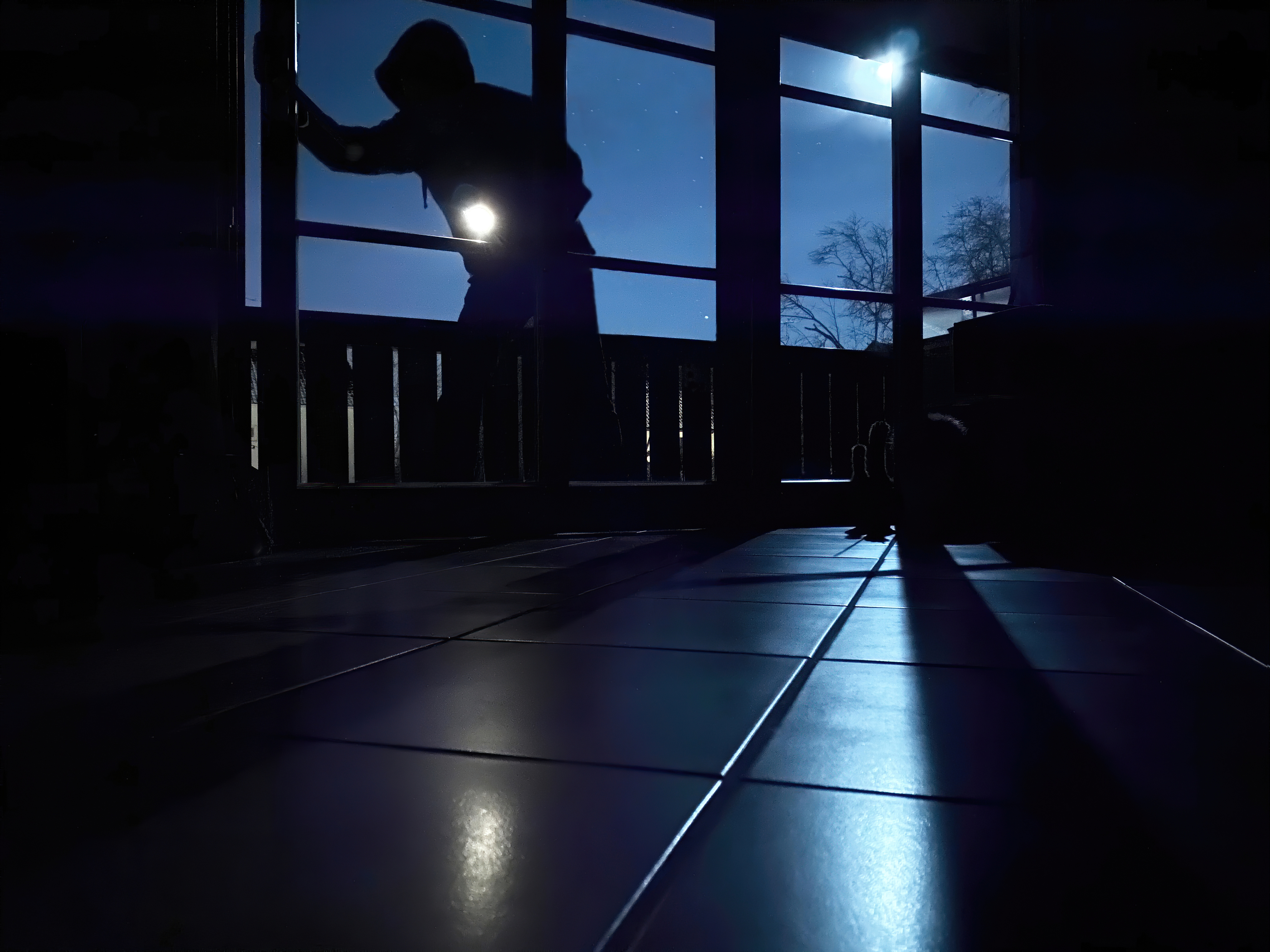
Your garage door prevents break-ins by being hard to pry, hard to lift and hard to open electronically. Burglars often target garages because they expect weaker security than a front door or window, and in the Charlotte area, where attached garages are common, getting through the garage door usually means getting into the house. A well-built, well-maintained door with a modern opener and a manual lock sends most would-be intruders to an easier target.
The FBI’s Uniform Crime Reporting Program found that in 2019, residential properties accounted for 62.8 percent of all burglaries, and 55.7 percent of burglaries involved forcible entry. That is why strong construction and locks are as important as electronics. Below, Garage Door and More walks through the materials, opener technology, anti-lift hardware, maintenance and whole-home planning that make a garage door secure. Contact us for a security check of your door.
Which materials and construction help a garage door resist forced entry?
Heavy-gauge steel, reinforced aluminum and solid wood composite panels help a garage door resist forced entry, and they are your first line of defense against physical intrusion. Garage Door and More recommends sectional doors with insulated, double-layer steel construction. On Clopay’s insulated steel doors, for example, Intellicore polyurethane foam is injected between the steel layers, bonding the two skins into one stiff panel. Double-layer doors resist bending, prying and impact better than thin, single-layer doors. Reinforcement struts and cross-bracing on the inside of the panels add rigidity, so the door doesn’t bow or buckle under force.
A door built to resist forced entry has:
- Heavy-gauge steel panels that resist cutting, bending and impact
- Insulated composite cores that stiffen the door and also hold heat
- Horizontal or diagonal steel reinforcement struts that keep panels from warping
- Tamper-resistant fasteners at the panel connections so the door can’t be taken apart from outside
Installation quality is just as important. Panels must sit squarely in the tracks, leaving minimal gaps for a thief to work with. Thick-gauge steel tracks with securely mounted brackets add more resistance. Weather seals should fit tightly, because a gap gives a pry bar something to grab.
Garage Door and More technicians see the difference in the field: well-reinforced doors hold up against prying, and burglars tend to move on to easier targets. Garage Door and More installs reinforcement struts and replaces worn tracks and brackets to bring an older door up to standard.
How do opener security protocols and encryption stop break-ins?
Opener security protocols stop break-ins by making the remote’s signal impossible to reuse. Rolling code technology generates a new code every time you press the remote, which defeats code-grabbing devices and replay attacks. Chamberlain and LiftMaster use a rolling code system called Security+ 2.0; LiftMaster describes it as sending a new code with every click of the remote. Some LiftMaster models, such as the 87504-267, also have PosiLock, which electronically protects against forced opening of the door.
Opener security comes from:
- Rolling code technology that prevents replay attacks
- Wi-Fi and app control, such as Chamberlain’s myQ app, for real-time monitoring and remote control
- Keypads that require a user PIN for entry
- A vacation lock mode that temporarily disables remotes during long absences
If you’re worried about break-ins while you’re away on vacation or business, turning on the lock feature at the wall control blocks remote and keypad operation until you turn it off. Nobody can open the door with a stolen remote or a guessed code. A smartphone app adds instant alerts whenever the door opens or closes, so you can confirm who came in.
Garage Door and More recommends rolling code openers for every customer and suggests turning on the lock feature before a beach weekend or business trip. That way the door stays shut even if someone gets hold of a remote from a car parked in the driveway.
Smart connectivity has a downside, though. In April 2023, the U.S. Cybersecurity and Infrastructure Security Agency warned of five vulnerabilities in Nexx garage door controllers that could let an attacker hijack the devices. Stick with established brands, keep firmware updated and use a strong Wi-Fi password. Garage Door and More installs and sets up smart openers and keypads.
How do anti-lift devices and locks prevent prying?
Anti-lift devices and locks prevent prying by blocking the points a burglar would use to lift the door by hand. Criminals often try to defeat the opener or the lifting hardware and then pull the door up manually. Anti-lift devices, also called pry-resistant brackets, attach to the bottom panel and track, block access to the attachment points and stop upward prying.
Common anti-lift measures include:
- Hardened steel pry-resistant bottom brackets that limit access to the lifting points
- Slide bolt locks that bolt the bottom panel to the track or floor
- Interior lock bars that slide across the door from inside
- Tamper-resistant security pins at the hinges that keep panels from being separated
Manual slide bolt locks add deterrence for detached garages or garages you rarely open. Keyed slide bolts on the bottom panel keep the door from being pried up even if the opener is compromised. For attached garages, an interior lock bar gives you quick locking from inside at night or during vacations. One caution: a door locked with a slide bolt must be unlocked before anyone runs the opener, or the opener can damage the door.
Inspect these locks regularly, because worn or misaligned anti-lift devices stop working well. Garage Door and More recommends quarterly checks to confirm the lock bars engage fully and slide without binding.
Anti-lift brackets and slide bolts may look old-fashioned, but they remain some of the most effective defenses against prying. Garage Door and More installs and adjusts anti-lift and locking hardware so it lines up and engages properly.
Which maintenance routines keep a garage door secure?
Four maintenance routines, done every six months, keep a garage door secure by keeping its security features working and catching weak spots before a burglar does:
- Inspect the hardware: tighten loose screws, check brackets for corrosion and replace damaged fasteners.
- Check the opener: verify force settings, sensor alignment and remote operation.
- Check the seals: look for tears in the bottom and side seals that give a pry bar a starting point.
- Do a visual security check: look for worn paint on the exterior keypad or scratches around the controls that suggest someone has tampered with them.
Correct force settings and aligned sensors keep the opener’s safety reversal working as designed, and they make a door that won’t close fully (an open invitation) less likely. Intact seals leave no gap for a small crowbar. Heavy wear on a few keypad buttons can also give away part of your code, so change the PIN if you see it.
Keep a log of each maintenance visit to track part ages, warranty periods and service dates. The log also documents your security upkeep for insurance purposes.
Garage Door and More technicians regularly find broken sensors and loose hardware during routine checkups, problems that would have weakened the door’s security if no one had caught them. Our maintenance visits include a security check, a mechanical tune-up and an opener check.
How does garage door security fit into a whole-home security plan?
Garage door security fits into a whole-home plan as one layer that works with your alarm, cameras, lights and locks. A secure garage door is a strong layer on its own, and tying it to the rest of your system makes it stronger. Garage Door and More encourages homeowners to:
- Connect keypad alerts to the home alarm panel so forced-entry attempts or repeated wrong codes trigger an alert.
- Point security cameras (from Ring, Arlo, Google Nest or your ADT system) at the garage door opening to cover activity inside and out.
- Install motion-activated lights over the driveway to discourage nighttime prowlers.
- Link the garage door opener with smart locks, alarms and monitoring apps for real-time access control.
With the right smart home setup, opening the garage door can arm or disarm your alarm and work alongside smart locks on the entry doors. Cameras tied to a smart garage system give you live video and a recording if someone tries to break in. Some LiftMaster openers, including the 87504-267, have a camera built into the opener.
Neighborhood watch groups often share garage door security tips, such as anti-lift devices and padlocks, which helps a whole street close common gaps.
The most secure homes Garage Door and More services are the ones where the garage door, door locks, cameras and lighting all work together. Burglars looking for an easy target move on quickly when mechanical and electronic security cover every entry point.
Want a garage door security check in Charlotte?
Garage Door and More can check your garage door’s security anywhere in the Charlotte area, from Matthews and Mint Hill to Huntersville, Concord and Fort Mill. A secure door depends on sturdy construction, a rolling code opener, anti-lift locks, regular maintenance and a link to your home security system. We’ll look for weak points, recommend upgrades that fit your door and keep the hardware in working order.
Call Garage Door and More at (980) 263-0092, Monday through Friday, 8:00 a.m. to 5:30 p.m., to schedule a security evaluation. Estimates are free.