A garage door conversion can completely change how you use your garage space, whether you want to upgrade an outdated manual system, switch from a single door to a double configuration, or modernize your home’s curb appeal. At Garage Door and More, we help Charlotte-area homeowners navigate this process with confidence. This guide covers everything you need to know about garage door conversions, from cost considerations to choosing the right style for your property.
What Is a Garage Door Conversion and Why Should You Consider One?
A garage door conversion refers to any significant modification that changes the type, size, configuration, or operation method of your existing garage door system. This differs from standard repairs because a conversion fundamentally alters how your garage functions or appears. Homeowners pursue conversions for many reasons, including improving energy efficiency, gaining better vehicle access, updating a dated aesthetic, or converting a manual system to automatic operation.
The appeal of a garage door conversion lies in its ability to solve multiple problems at once. A conversion can address access limitations when you purchase a larger vehicle, security concerns with an aging manual door, or visual mismatches between your garage and your home’s updated exterior. Many Charlotte homeowners find that a well-planned conversion adds measurable value to their property while eliminating daily frustrations they’ve tolerated for years.
Common reasons homeowners choose garage door conversions:
- Accommodating larger vehicles: Converting from a single to a double garage door creates the clearance needed for trucks, SUVs, or multiple vehicles without the tight squeeze of two separate openings.
- Upgrading to automatic operation: A garage door opener conversion replaces manual lifting with motorized convenience, adding safety features like automatic reversal and smartphone integration.
- Improving home value: Real estate professionals consistently rank garage door upgrades among the highest-return exterior improvements, with some studies showing returns exceeding the project cost.
- Fixing structural issues: Conversions often become necessary when the existing door frame has settled, warped, or sustained damage that makes standard repairs impractical.
- Matching architectural updates: When you renovate your home’s exterior, an outdated garage door can undermine the entire project’s visual impact.
“We’ve seen countless homeowners put off a garage door conversion because they assumed it would be disruptive or complicated. The reality is that most conversions take just one to two days, and the improvement in daily convenience and home appearance makes clients wish they’d done it years earlier.” — The Team at Garage Door and More
What Types of Garage Door Conversions Are Available?
Understanding the different conversion categories helps you identify which approach best fits your situation. Each type involves distinct structural considerations, material options, and cost factors. The right choice depends on your current setup, your goals for the finished project, and your budget range.
Primary garage door conversion categories:
- Manual to automatic conversion: This involves adding a motorized opener system to a door that currently requires physical lifting. The process includes installing the motor unit, rail system, sensors, and wall-mounted controls while sometimes requiring adjustments to the existing door’s balance and hardware.
- Single to double door conversion: This structural modification removes the center post between two single-car doors or expands a single opening to accommodate a wider two-car door. It typically requires header beam reinforcement and sometimes foundation work.
- Style or material conversion: Replacing your current door with a different material type, such as switching from steel to wood or from raised panel to contemporary flat panel, changes your home’s appearance without altering the opening size.
- Insulation upgrade conversion: Adding insulated panels or replacing a non-insulated door with an insulated model improves energy efficiency and reduces noise transmission between the garage and living spaces.
- Full garage door replacement conversion: When the existing door, track system, and hardware have all reached the end of their service life, a complete replacement conversion installs an entirely new system from the ground up.
Garage Door Conversion Types Comparison
| Conversion Type | Typical Timeline | Structural Work Required | Best For |
|---|---|---|---|
| Manual to Automatic | 2-4 hours | Minimal | Convenience upgrade, security improvement |
| Single to Double Door | 2-3 days | Significant (framing, header) | Larger vehicle access, modern appearance |
| Style/Material Change | 4-8 hours | None to minimal | Curb appeal, matching home updates |
| Insulation Upgrade | 1-2 days | None | Energy savings, noise reduction |
| Complete System Replacement | 1-2 days | Moderate (tracks, hardware) | Aging systems, multiple component failures |
How Much Does a Garage Door Conversion Cost in Charlotte, NC?
Garage door conversion costs in the Charlotte area vary widely based on the scope of work, materials selected, and structural requirements. Understanding the cost components helps you budget accurately and compare quotes from different providers. We recommend getting detailed written estimates that break down labor, materials, and any permit fees so you can make informed comparisons.
The Charlotte market tends to fall in line with national averages, though material availability and local labor rates create some regional variation. Homeowners should expect to invest more in conversions that require structural modifications, as these projects need engineering review and building permits. Simpler conversions like adding an opener to an existing door cost considerably less because they work within your current infrastructure.
Charlotte-Area Garage Door Conversion Cost Ranges
| Conversion Type | Low-End Estimate | Mid-Range Estimate | High-End Estimate |
|---|---|---|---|
| Manual to Automatic (Opener Installation) | $350 | $550 | $1,200+ |
| Single to Double Door (Including Door) | $2,500 | $4,500 | $8,000+ |
| Style Change (New Door, Same Size) | $800 | $1,500 | $4,000+ |
| Insulation Retrofit | $400 | $800 | $1,500 |
| Complete System Replacement | $1,200 | $2,200 | $5,500+ |
Factors that influence your final conversion cost:
- Door material selection: Steel doors cost less than wood or composite options, while aluminum and glass designs fall at the premium end of the spectrum. Your material choice affects both the door price and long-term maintenance requirements.
- Structural modifications needed: Widening an opening or reinforcing a header beam adds significant labor and material costs compared to conversions that work within existing dimensions.
- Opener features and brand: Basic chain-drive openers cost less than belt-drive models with smart home integration, battery backup, and premium security features.
- Insulation R-value: Higher insulation ratings require thicker panels and better weatherstripping, increasing both material costs and energy savings over time.
- Permit and inspection fees: Charlotte and surrounding Mecklenburg County require permits for structural work, adding several hundred dollars to projects involving framing changes.
- Removal and disposal: Getting rid of your old door and hardware typically costs $75-150 depending on the size and whether the materials can be recycled.
“We always tell our Charlotte customers that the cheapest option rarely delivers the best value over time. A slightly higher investment in quality materials and proper installation typically pays for itself through lower repair costs, better energy efficiency, and longer service life.” — The Team at Garage Door and More
Should You Convert a Single Garage Door to a Double?
Converting from two single garage doors to one double door ranks among the most popular structural conversions we perform. This modification creates a dramatically different appearance while solving practical access problems. The decision involves weighing aesthetic preferences against structural considerations and understanding how the change affects your garage’s functionality.
Single-to-double conversions require removing the center post (called a mullion) that separates two openings and installing a new header beam to span the wider opening. This header must transfer the load previously carried by the mullion to the surrounding structure. A structural engineer typically reviews the plans to specify the correct header size and any additional support requirements. Most Charlotte-area building departments require this engineering review before issuing permits.
The visual transformation from two narrow openings to one wide door creates a more contemporary appearance that many homeowners prefer. Double doors also eliminate the awkward maneuvering required when parking multiple vehicles through tight single-car openings. You gain the flexibility to park a wider truck or SUV without worrying about mirror clearance or door dings against the frame.
Considerations when deciding between single and double garage doors:
- Backup access during opener failure: With a single large door, the entire opening becomes inaccessible if the opener fails. Two separate doors mean one can still operate manually while you arrange garage door opener repair.
- Wind load requirements: Larger doors face greater wind pressure, which matters for hurricane-prone regions. You may need a reinforced door or additional bracing to meet local building codes.
- Energy efficiency impact: A double door exposes more opening area each time you enter or exit, allowing more conditioned air to escape if your garage connects to living space.
- Future flexibility: Returning to two single doors after a conversion involves significant expense, so consider your long-term needs before committing to either configuration.
- Cost comparison: Two quality single doors often cost nearly as much as one double door, making the price difference less dramatic than many homeowners expect.
What Goes Into Converting a Manual Garage Door to Automatic?
Converting from a manual garage door to an automatic system remains one of the most requested upgrades because it delivers immediate daily convenience at a reasonable cost. The process involves more than simply mounting a motor unit; proper installation requires evaluating your existing door’s condition, selecting an appropriate opener type, and configuring safety features correctly.
Your current door must be in good working condition before adding an opener. A door with worn garage door springs, damaged garage door rollers, or bent tracks will stress the opener motor and lead to premature failure. We always inspect the complete door system before an opener installation and recommend addressing any existing issues first. This approach protects your investment and prevents callback situations where the new opener struggles against underlying mechanical problems.
Modern garage door openers include safety features mandated by federal regulations, including photo-eye sensors that detect obstructions and automatic reversal mechanisms. These features must be installed and tested correctly to protect your family, pets, and vehicles from injury or damage. Professional installation takes care of sensor alignment, force adjustment, and travel limit programming that DIY installations often get wrong.
Garage Door Opener Types for Conversion Projects
| Opener Type | Noise Level | Maintenance Needs | Price Range | Best Application |
|---|---|---|---|---|
| Chain Drive | Loud | Regular lubrication | $200-400 | Detached garages, budget projects |
| Belt Drive | Quiet | Minimal | $300-600 | Attached garages, living space above |
| Screw Drive | Moderate | Occasional lubrication | $250-450 | One-piece doors, simple setups |
| Direct Drive (Jackshaft) | Very quiet | Minimal | $400-800 | High ceilings, limited headroom |
| Smart/WiFi-Enabled | Varies by type | Same as base type | Add $100-200 | Remote monitoring, smart home integration |
Steps involved in a manual-to-automatic conversion:
- Door assessment: Technicians evaluate spring tension, track alignment, roller condition, and overall door balance to confirm the system can support motorized operation without issues.
- Opener selection: Based on your door’s weight, your noise tolerance, and desired features, we recommend an opener type and brand that matches your needs and budget.
- Mounting and rail installation: The motor unit mounts to the ceiling or wall while the rail or belt system connects to a bracket on the door’s top section.
- Electrical connection: Most openers plug into a standard outlet, though some homeowners prefer hardwired connections for a cleaner appearance and reduced cord clutter.
- Sensor positioning: Photo-eye sensors mount near the floor on both sides of the door opening, creating an invisible beam that triggers reversal if interrupted.
- Programming and testing: Travel limits, force settings, and remote controls all require configuration and thorough testing before the installation is complete.
“The difference between a professional opener installation and a DIY job often shows up months later. Properly adjusted force settings and travel limits protect both the door and the opener motor. We’ve repaired countless systems where incorrect DIY settings caused premature wear that a correct initial setup would have prevented.” — The Team at Garage Door and More
Which Garage Door Styles Work Best for Conversion Projects?
Selecting the right style for your garage door conversion dramatically affects your home’s curb appeal and your satisfaction with the finished project. Modern manufacturing offers far more design options than the basic raised-panel doors that dominated the market for decades. Understanding current style categories helps you choose a door that complements your home’s architecture while meeting your functional requirements.
The most successful conversions match the garage door style to the home’s existing architectural character. A traditional colonial home typically looks best with carriage-house style doors that echo historical design elements. Contemporary homes benefit from flush-panel or full-view glass doors that continue their clean, modern aesthetic. Ranch-style homes work well with horizontal-line modern doors or classic raised-panel designs depending on the specific era and regional influences.
Popular garage door styles for conversions:
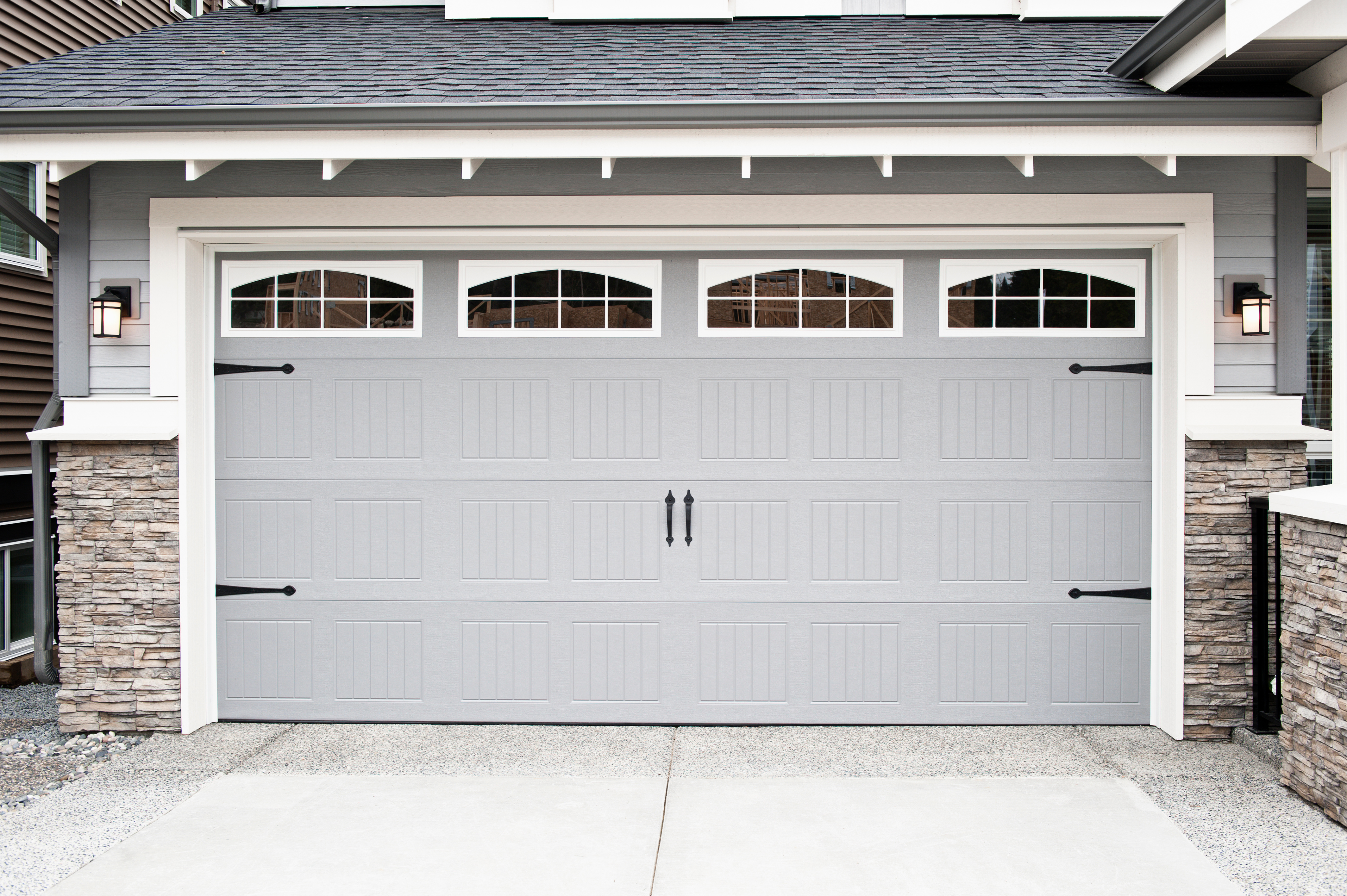
- Carriage house: These doors feature decorative hardware, crossbuck patterns, or window arrangements that mimic historical swing-out carriage doors while operating as modern overhead doors. They suit traditional, farmhouse, and craftsman home styles.
- Raised panel: The most common residential style, raised panel doors feature rectangular sections that create shadow lines and visual interest. Available in both short and long panel configurations to match different architectural proportions.
- Flush panel (contemporary): Smooth, flat panels without raised sections create a minimalist appearance popular with modern and mid-century architecture. Available in steel, aluminum, and wood composite materials.
- Full-view (glass): Aluminum frames with large glass panels create a striking modern appearance while allowing natural light into the garage. Popular for homes with visible garages or homeowners who use garage space for work or entertaining.
- Specialty wood: Custom wood doors offer unlimited design possibilities for homeowners seeking a one-of-a-kind appearance. Cedar, mahogany, and reclaimed wood options provide distinct character with appropriate maintenance.
Garage Door Style Recommendations by Home Architecture
| Home Style | Recommended Door Styles | Materials to Consider | Window Options |
|---|---|---|---|
| Colonial/Traditional | Carriage house, Long raised panel | Steel with wood-grain finish, Real wood | Rectangular divided lite, Arched tops |
| Contemporary/Modern | Flush panel, Full-view glass | Aluminum, Frosted glass, Smooth steel | Full glass, Horizontal strip windows |
| Craftsman/Bungalow | Carriage house, Short raised panel | Wood, Wood composite, Textured steel | Square divided lite, Prairie style |
| Ranch/Mid-century | Horizontal line modern, Simple flush | Steel, Aluminum | Horizontal strip, None |
| Farmhouse/Rustic | Carriage house, Board-and-batten style | Wood, Steel with wood grain | Crossbuck pattern, Small divided |
What Should You Expect During the Garage Door Conversion Process?
Knowing what happens during a garage door conversion helps you prepare your space and set realistic expectations for the project timeline. While specifics vary based on conversion type, most projects follow a predictable sequence from initial assessment through final inspection. Planning for each phase reduces surprises and helps the work proceed efficiently.
The process begins with a professional assessment of your current setup and your conversion goals. During this visit, a technician measures your opening, evaluates the existing structure, discusses your style and feature preferences, and identifies any potential challenges. This information allows us to provide an accurate written quote that details all costs before work begins. Rushing past this assessment phase often leads to mid-project surprises that increase costs and extend timelines.
Once you approve the project scope, we order materials and schedule the installation. Lead times vary from immediate availability for common components to several weeks for custom doors or specialty finishes. We coordinate the installation date once all materials arrive, and we communicate clearly about what to expect on installation day including the estimated duration and any preparations you should make.
Typical garage door conversion process phases:
- Initial consultation and assessment: A technician visits your home to evaluate the existing system, take measurements, discuss your goals, and identify any structural or code considerations that affect the project scope.
- Quote review and approval: You receive a detailed written estimate breaking down all costs. This gives you time to ask questions, compare options, and make an informed decision without pressure.
- Material ordering and scheduling: Once approved, we order your selected door, opener, and hardware while scheduling the installation for a mutually convenient date.
- Site preparation: On installation day, technicians prepare the work area, lay down protective materials, and stage components for efficient installation.
- Removal of existing system: The old door, tracks, and hardware come down carefully to avoid damage to your garage walls and floor.
- New system installation: Technicians install new tracks, mount the door sections, connect springs and garage door cables, and attach the opener if included.
- Testing and adjustment: Every component gets tested and adjusted for proper operation, including balance, travel limits, force settings, and safety sensor function.
- Cleanup and walkthrough: We remove all packaging and debris, then demonstrate the new system’s operation and maintenance requirements before concluding the project.
How Do You Choose the Right Contractor for Your Garage Door Conversion?
Selecting the right contractor makes the difference between a smooth conversion experience and a frustrating project filled with delays, unexpected costs, and subpar results. Garage door work requires specific skills and knowledge that general contractors often lack. Taking time to vet potential contractors protects your investment and helps you avoid common pitfalls.
Start by verifying that any contractor you consider holds appropriate licensing and insurance for your area. In North Carolina, garage door installation falls under general contractor requirements for projects above certain thresholds, and any electrical work associated with opener installation requires proper licensing. Ask for proof of liability insurance and workers’ compensation coverage to protect yourself from potential claims if someone gets injured on your property.
Experience with your specific conversion type matters more than general contracting experience. A contractor who primarily handles commercial garage door installation may not have the residential design sensibility that makes for successful home projects. Ask about similar projects they’ve completed and request references from homeowners with comparable conversion work.
Questions to ask potential garage door conversion contractors:
- How long have you specialized in garage door work? Look for contractors with several years of focused experience rather than generalists who occasionally handle garage doors.
- Do you carry manufacturer certifications? Major door and opener brands certify installers who complete training on their products, indicating a commitment to proper installation practices.
- What warranty do you offer on labor? Quality contractors stand behind their work with labor warranties separate from manufacturer product warranties, typically ranging from one to five years.
- Will you handle permits and inspections? For conversions requiring permits, contractors should manage this process rather than leaving it to homeowners unfamiliar with the requirements.
- Can you provide a detailed written estimate? Vague quotes that don’t itemize materials, labor, and other costs make it impossible to compare contractors fairly or spot potential hidden charges.
- What’s your typical timeline for this type of project? Experienced contractors provide realistic timelines based on actual project experience rather than overly optimistic estimates.
“We’ve built our reputation on transparent pricing, quality workmanship, and standing behind every installation we complete. When homeowners compare contractors, we encourage them to look beyond the bottom-line price and consider the total value including warranty coverage, experience level, and responsiveness to questions.” — The Team at Garage Door and More
What Maintenance Does a Converted Garage Door Need?
After completing your garage door conversion, proper maintenance protects your investment and prevents premature failures that could leave you without garage access. A converted system requires the same ongoing care as any garage door, though new installations benefit from a break-in period where components seat properly and may need minor adjustments.
Regular visual inspections catch developing problems before they become emergency garage door repair situations. Watch for frayed cables, worn rollers, rust development, and weatherstrip deterioration. Listen for unusual sounds during operation, as grinding, squealing, or popping often indicate components needing attention. Testing the safety reversal system monthly by placing a small object in the door’s path confirms this critical feature continues working correctly.
Professional maintenance visits typically occur annually and include lubrication, tension adjustment, hardware tightening, and thorough safety testing. These visits cost far less than emergency repairs and extend the service life of every component in your system. Many homeowners schedule these visits in spring or fall when moderate temperatures make the work more comfortable and accurate.
Recommended maintenance tasks for converted garage doors:
- Monthly visual inspection: Check springs, cables, rollers, and tracks for visible wear, damage, or debris accumulation that could affect operation.
- Quarterly lubrication: Apply garage door lubricant to springs, hinges, and rollers (but not nylon rollers). Avoid using WD-40 or general-purpose oils that attract dust.
- Bi-annual weatherstrip check: Inspect the bottom seal and side weatherstripping for cracks, gaps, or compression that reduces weather protection.
- Annual professional service: Schedule a technician visit for spring adjustment, safety testing, opener calibration, and identification of components nearing replacement age.
- Immediate attention items: Address unusual sounds, jerky motion, slow response, or failure to reverse promptly rather than waiting for complete failure.
Garage Door Component Lifespan and Replacement Indicators
| Component | Typical Lifespan | Signs Replacement Needed |
|---|---|---|
| Torsion Springs | 7-12 years (10,000 cycles) | Door heavy to lift, visible gap in spring coils |
| Extension Springs | 5-9 years | Uneven door movement, stretched appearance |
| Rollers (Steel) | 5-7 years | Grinding noise, visible wear on bearings |
| Rollers (Nylon) | 10-15 years | Cracking, flat spots, wobbling |
| Cables | 8-15 years | Fraying, kinks, visible corrosion |
| Opener Motor | 10-15 years | Straining, overheating, inconsistent operation |
| Weatherstripping | 3-5 years | Visible gaps, cracking, compression set |
Frequently Asked Questions About Garage Door Conversions
How long does a typical garage door conversion take to complete?
Simple conversions like adding an opener to an existing door take two to four hours. Style change conversions with a new door in the same opening typically complete in four to eight hours. Structural conversions such as single-to-double door projects require two to three days including framing work, new door installation, and finishing.
Do I need a permit for a garage door conversion in Charlotte?
Charlotte and Mecklenburg County require permits for conversions involving structural modifications like widening openings or removing support posts. Straightforward garage door installation or opener additions typically don’t require permits. Your contractor should advise on permit requirements for your specific project scope.
Can I convert my garage door myself or should I hire a professional?
While handy homeowners can handle some maintenance tasks, conversions involve high-tension springs and heavy components that pose serious injury risks without proper training and tools. Professional installation also protects manufacturer warranties that DIY work often voids. We strongly recommend professional installation for any conversion project.
Will a garage door conversion increase my home’s value?
Garage door upgrades consistently rank among the highest-return exterior improvements in cost-versus-value studies. Quality conversions typically recoup 90% or more of their cost at resale while improving your home’s appearance and daily functionality. Energy-efficient upgrades may also reduce utility costs.
How do I know if my garage opening needs structural modification?
A professional assessment determines whether your existing framing can support your desired conversion. Signs suggesting potential structural needs include wanting a larger door than your current opening, visible sagging in the header above your current door, or converting an unusual door configuration.
What’s the difference between garage door panel replacement and a full conversion?
Panel replacement fixes damaged sections of an otherwise functional door, typically costing less and completing faster than full conversions. Conversions change the door type, size, style, or operating system. Panel replacement makes sense when damage is limited and the overall door meets your needs.
Can I add windows to my existing garage door during a conversion?
Yes, many conversions include adding window inserts to existing doors or selecting new doors with window configurations. Window placement affects both appearance and light transmission into your garage. Consider privacy and sun exposure when choosing window locations and glass types.
Conclusion
A garage door conversion offers a practical path to improved home function, better curb appeal, and increased property value. The right conversion approach depends on your specific goals, whether that means upgrading to automatic operation, changing your door’s style, or expanding to a larger opening. Working with experienced professionals who understand local building requirements and installation best practices helps these projects succeed.
The technicians at Garage Door and More bring years of Charlotte-area experience to every conversion project we handle. We take time to understand your goals, explain your options clearly, and complete installations with attention to detail that delivers lasting results. If you need help with garage door installation, repair, or conversion, contact our team today to schedule a consultation and learn how we can transform your garage space.
